In February 2026, I had the great privilege of once again accompanying our dear friend Raphael on a wildlife observation journey in Colombia. It was already his second trip with us in the country, and he wanted to explore new regions while revisiting others that could still surprise him in his adventures as a naturalist and lover of nature travel.
This time, he had a clear objective: to observe the jaguar (Panthera onca), an emblematic species known as the largest feline in the Americas and for possessing the most powerful bite among the world’s big cats. But beyond its strength and beauty, the jaguar also represents a spiritual and ecological symbol deeply connected to Indigenous territories and the conservation of ecosystems. For those of us who dream about ecotourism in Colombia, encountering this animal is an almost mystical experience
During his first trip with Colombie Célestine, Raphael discovered the Eastern Plains of Colombia, including both the altillanura and the serranía ecosystems. Throughout that expedition, he observed a remarkable diversity of wildlife: giant anteaters (Myrmecophaga tridactyla), crab-eating foxes (Cerdocyon thous), night monkeys (Aotus spp.), tufted capuchins (Sapajus apella), and an extraordinary number of bird species. Today, the Llanos are among the most fascinating destinations for nature tourism in Colombia and for birdwatching and wildlife observation.
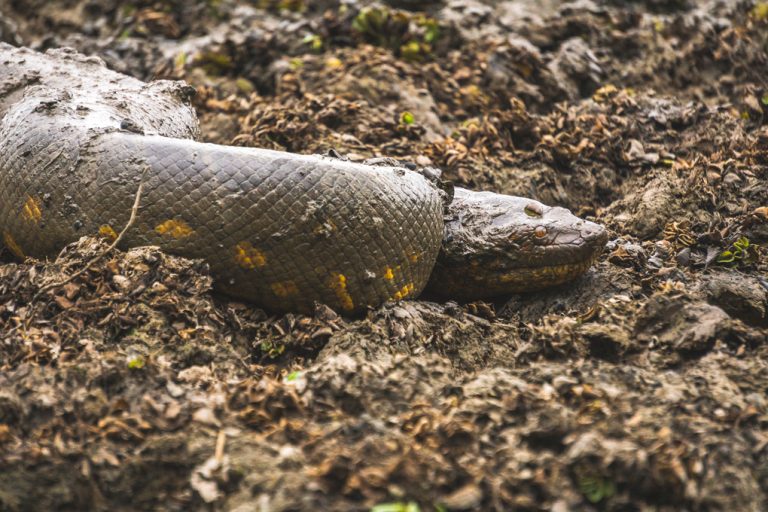
Anaconda (Eunectes murinus)
In this region, he also joined us on a traditional cattle ranch, where he discovered the Llanero culture: horses, cowboys, cattle, and the immense savannas that define this part of the country. Encounters like these allow travelers to experience an authentic and responsible journey in Colombia, connecting visitors with local communities and their traditions.
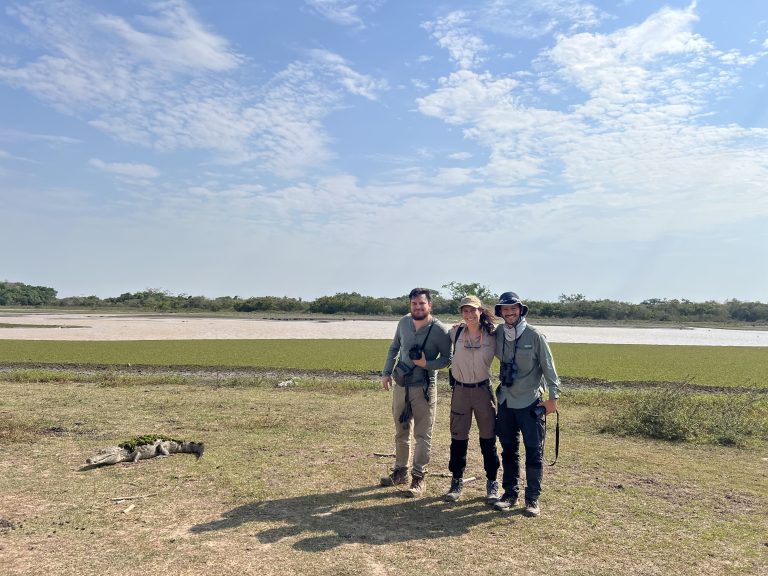
Travelers enjoying wildlife observation in Colombia
Chingaza National Natural Park
During that first adventure, we also visited the Parque Nacional Natural Chingaza in search of the spectacled bear and to discover the páramo ecosystem, one of the most important ecosystems on Earth because of its ecological services and unique biodiversity. This experience reflects what we understand as sustainable tourism in Colombia, where discovering nature goes hand in hand with environmental awareness and respect for local territories.
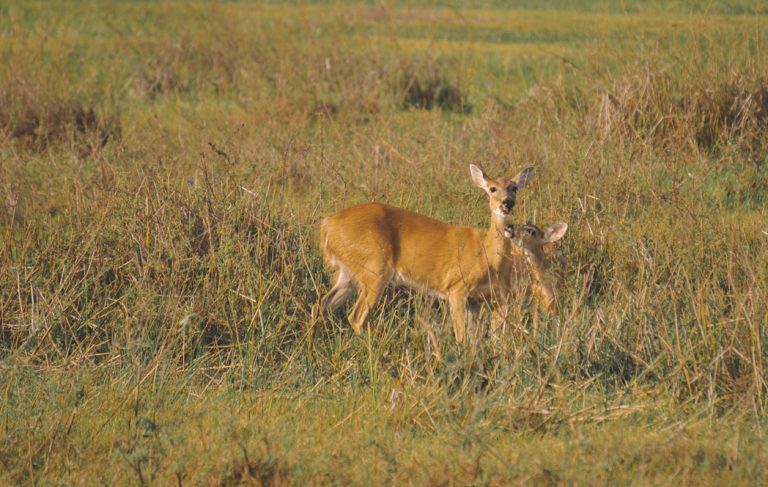
Although we did not manage to see the bear on that occasion, Raphael was luckier during his second visit and observed it three different times. Still, our first expedition had already gifted us unforgettable encounters with white-tailed deer (Odocoileus virginianus) and bird species unique to this extraordinary ecosystem.
Female white-tailed deer and fawn (Odocoileus virginianus)
Chicaque Nature Reserve
We also visited the Chicaque Nature Reserve, where he discovered the high Andean forest and observed many bird species. I especially remember the emerald toucanet (Aulacorhynchus albivitta) and the moment I saw the Andean solitaire (Myadestes ralloides) for the very first time.
But let us return to the most recent journey.
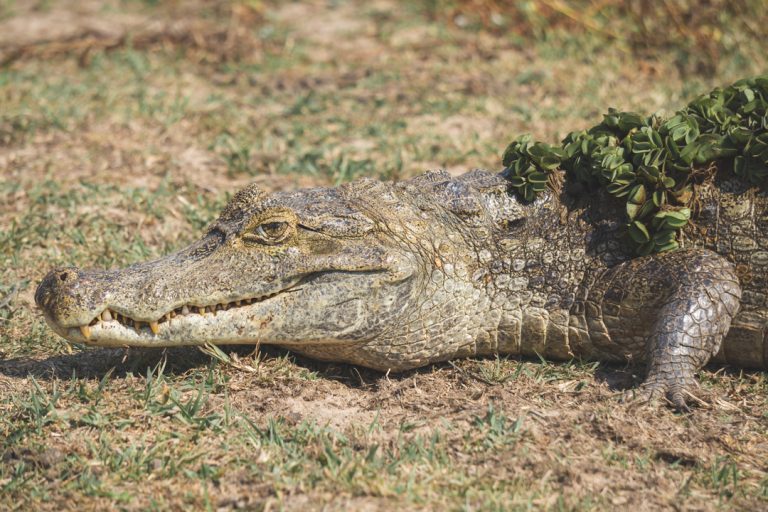
Spectacled caiman (Caiman crocodilus)
Invoking the spirit of the felines, we headed toward the Hato La Aurora Nature Reserve, specifically to the Juan Solito ecolodge in the department of Casanare. This destination has become one of the most emblematic places for safaris in Colombia, wildlife observation, and responsible ecotourism.
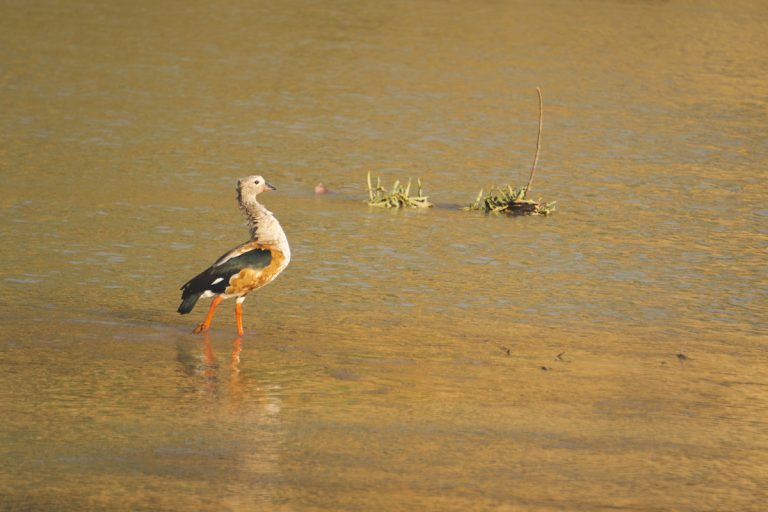
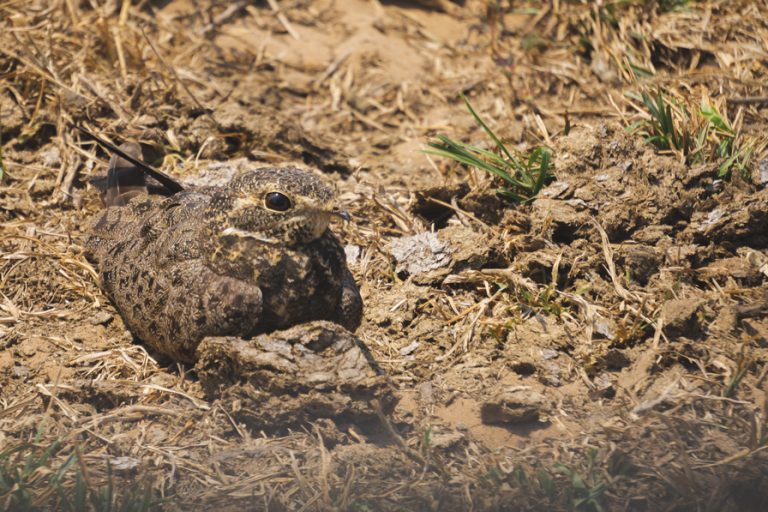
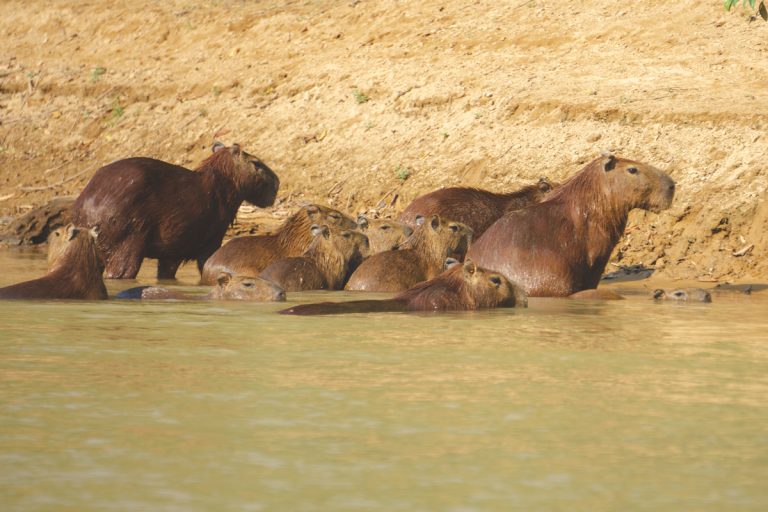
We departed from Yopal in a 4×4 vehicle during the morning, arriving in time for lunch before immediately beginning our activities. That first boat excursion filled our eyes with spectacled caimans (Caiman crocodilus), capybaras (Hydrochoerus hydrochaeris), Orinoco geese (Oressochen jubatus), hoatzins (Opisthocomus hoazin), hummingbirds, and birds of prey such as the great black hawk (Buteogallus urubitinga). That same night, we explored the flooded savanna ecosystem — even though it was the dry season — and while sightings were fewer, we heard tropical screech owls (Megascops choliba), observed nightjars (Chordeiles spp.), and watched a spectacular shooting star crossing the sky.
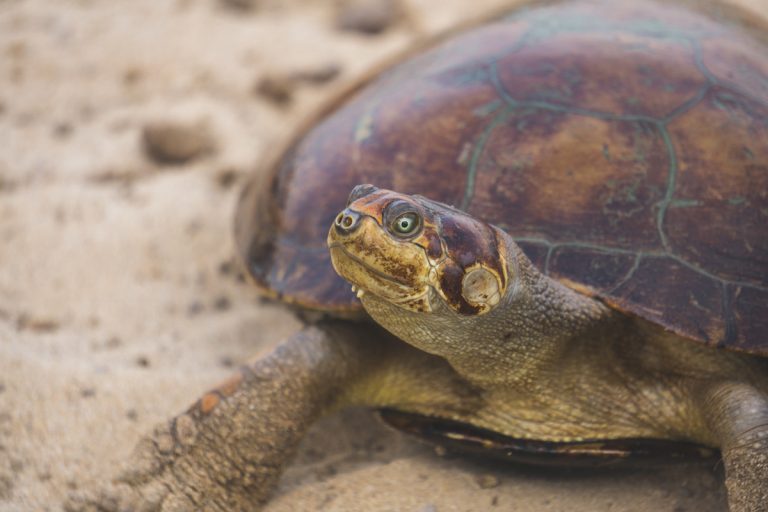
Giant South American river turtle (Podocnemis expansa)
Family of capybaras (Hydrochoerus hydrochaeris)
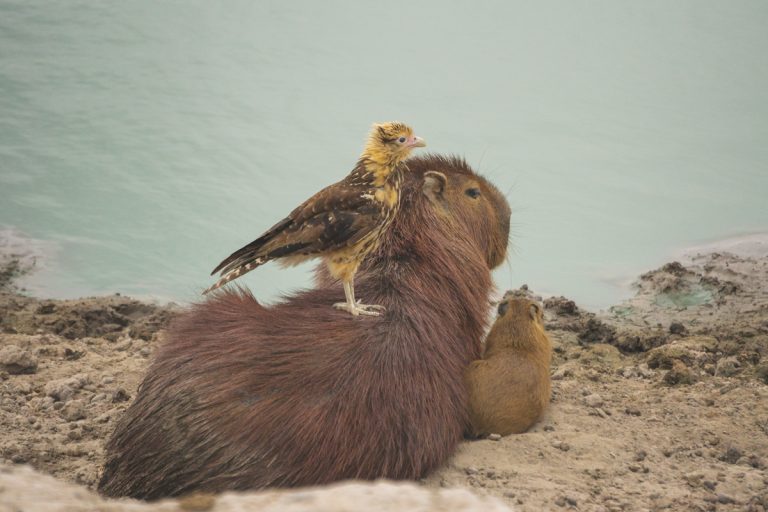
Symbiosis between the yellow-headed caracara (Daptrius chimachima) and capybaras (Hydrochoerus hydrochaeris)
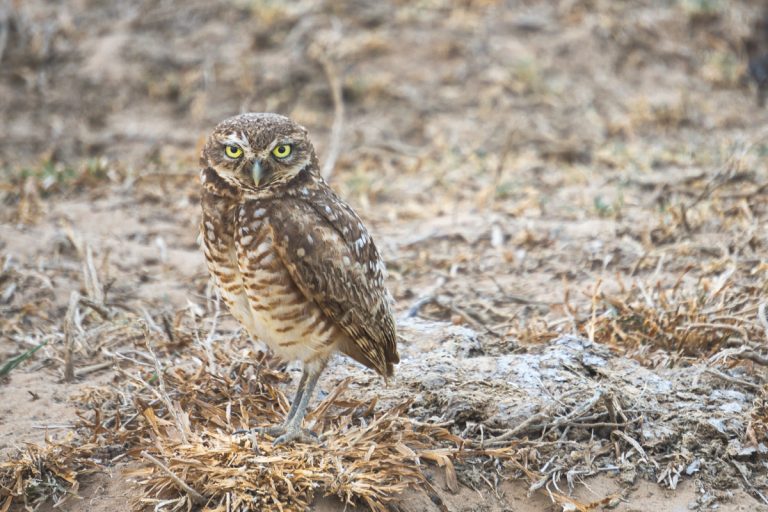
Burrowing owl (Athene cunicularia)
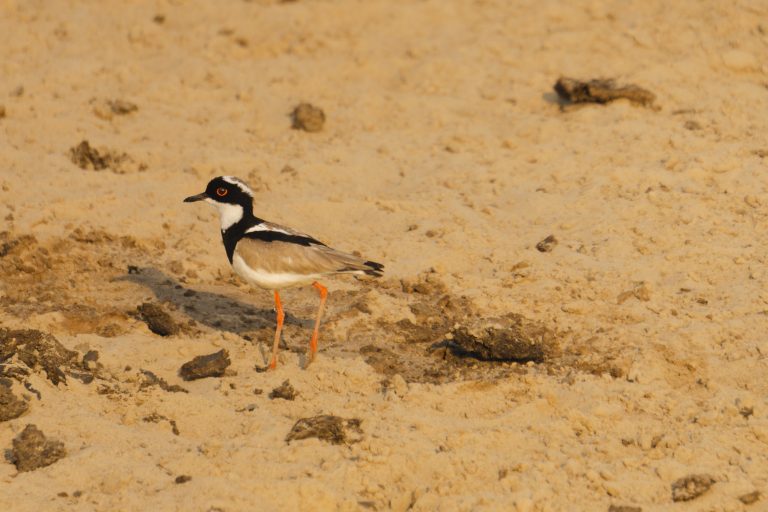
Pied Lapwing (Hoploxypterus cayanus)
The following days were dedicated to the Llanero safari. From sunrise to sunset, we crossed savannas, lagoons, and gallery forests in search of wildlife. These experiences are ideal for travelers seeking adventure and nature in Colombia, far from mass tourism and deeply connected to biodiversity.
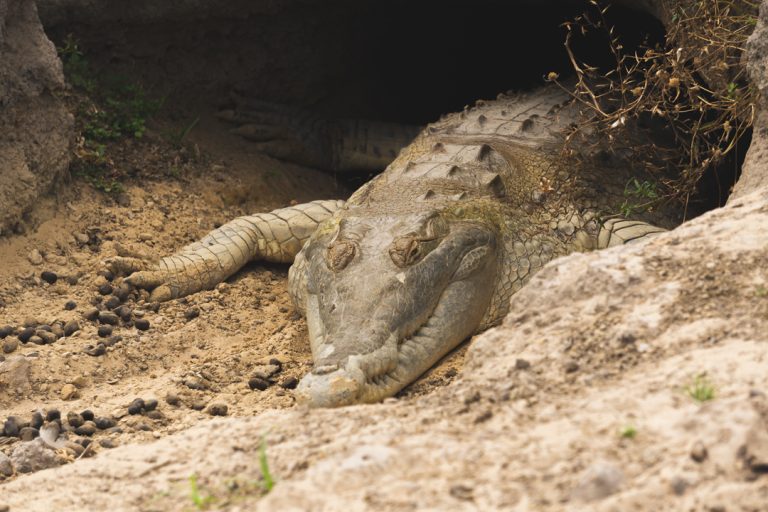
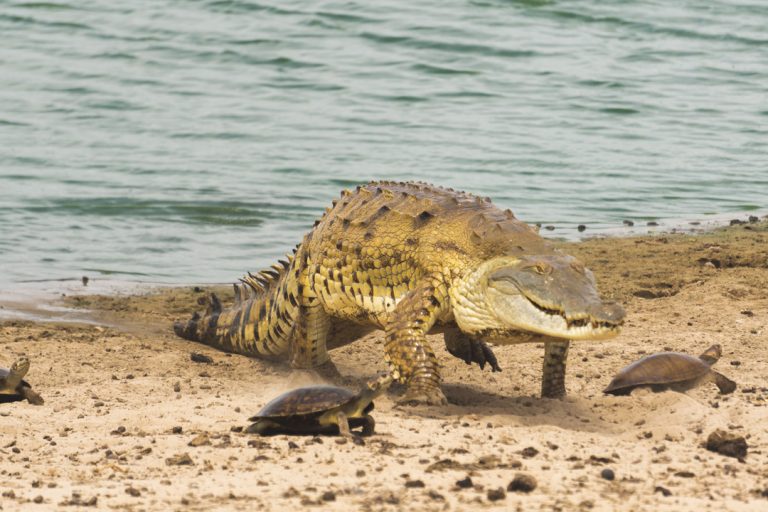
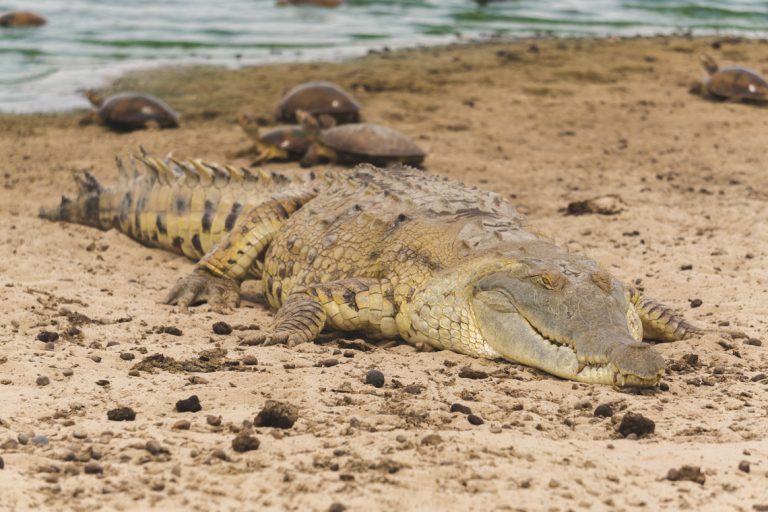
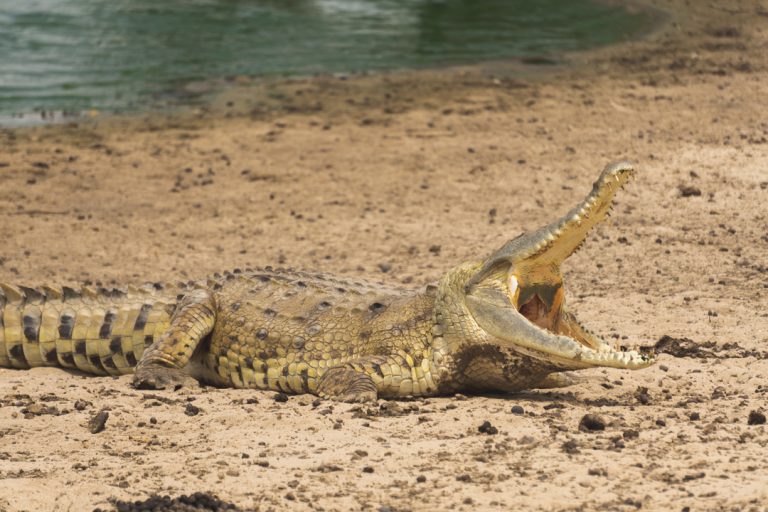
I was especially excited because I would finally encounter the Orinoco crocodile (Crocodylus intermedius), a species classified as Critically Endangered (CR) by the International Union for Conservation of Nature (IUCN). Raphael, although amazed by all the wildlife surrounding us, continued silently invoking the spirit of the jaguar.
During those days, we observed capybaras, giant South American river turtles (Podocnemis expansa), red-footed tortoises (Chelonoidis carbonaria), Orinoco crocodiles, caimans, iguanas (Iguana iguana), anacondas (Eunectes murinus), boas (Boa spp.), red howler monkeys (Alouatta seniculus), crab-eating foxes, tamanduas (Tamandua tetradactyla) — twice, one of them incredibly close — a giant anteater with her cub, and numerous deer.
The Orinoco crocodile (Crocodylus intermedius) in its burrow
Orinoco crocodile (Crocodylus intermedius)
Orinoco crocodile (Crocodylus intermedius)
Orinoco crocodile (Crocodylus intermedius)
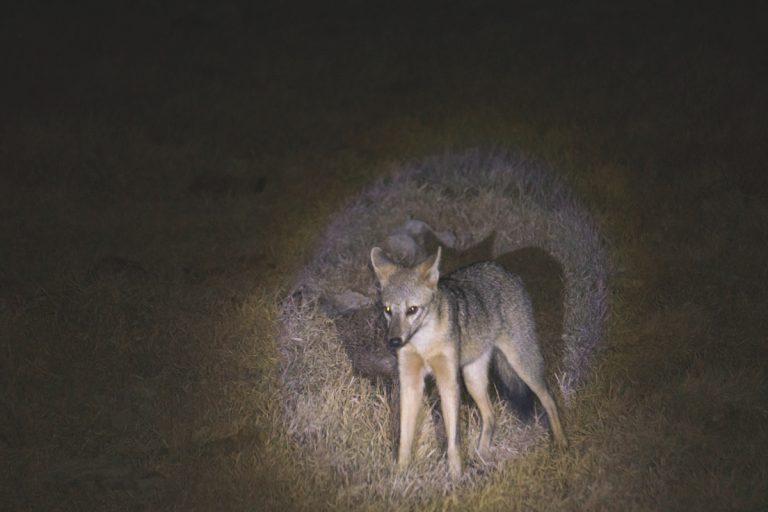
Crab-eating fox (cerdocyon thous)
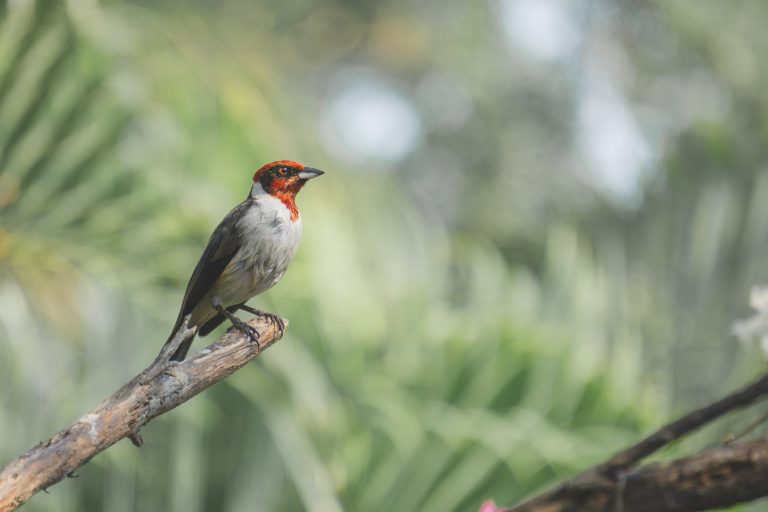
Masked Cardinal (Paroaria nigrogenis)
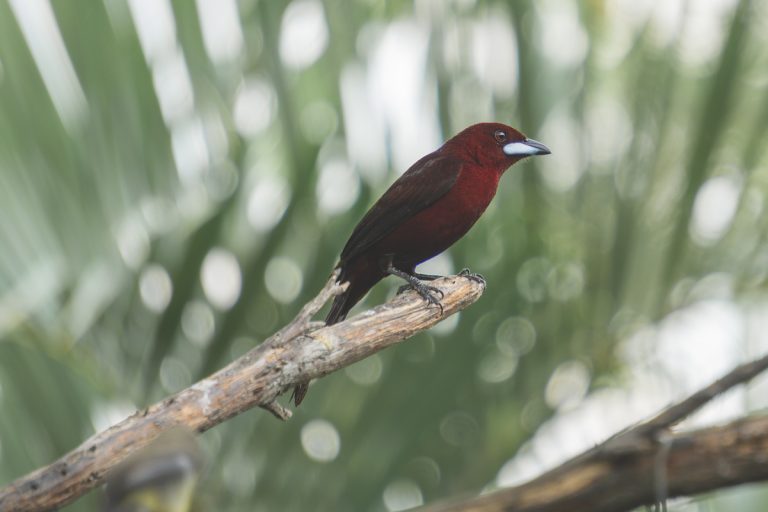
Silver-beaked tanager (ramphocelus carbo)
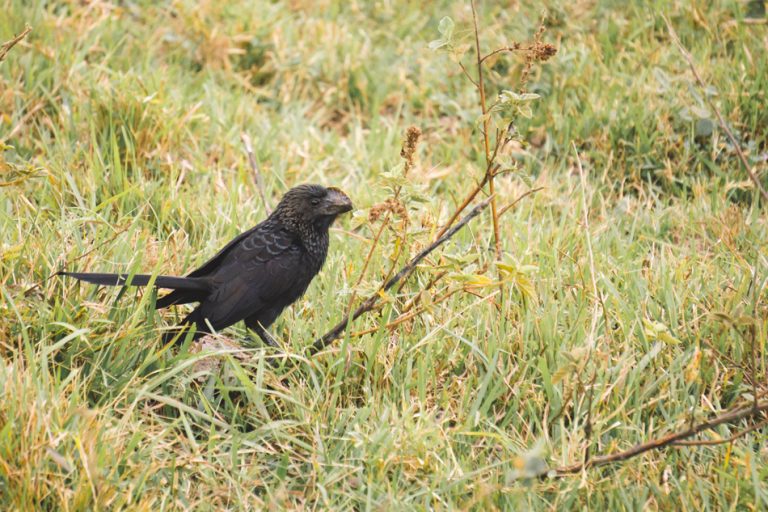
Smooth-billed ani (Crotophaga ani)
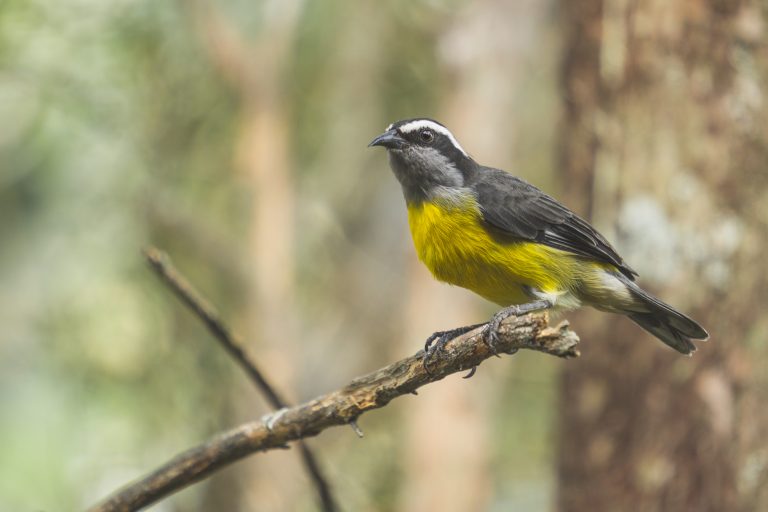
Bananaquit (Coereba flaveola)
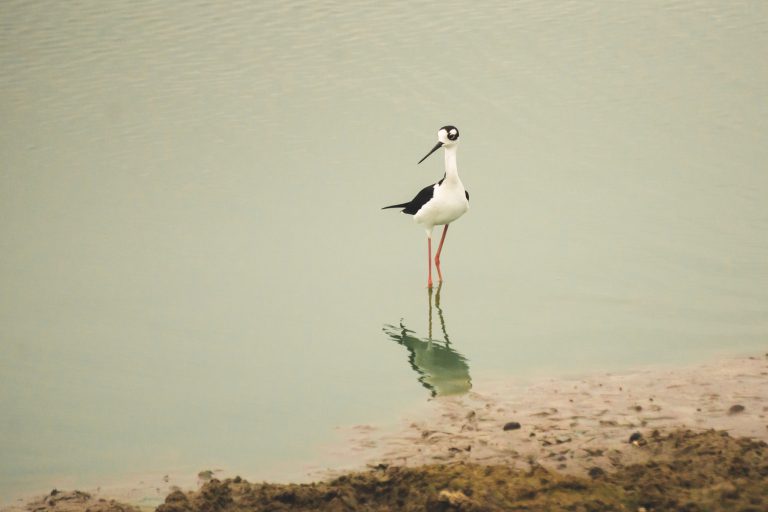
Black-necked stilt (Himantopus mexicanus)
But the feline spirit still refused to appear.
One night, exhausted after crossing thousands of hectares, we drove through a dark biological corridor between the savanna and a lagoon when we suddenly noticed a small body with enormous glowing eyes in the darkness. When we illuminated it with our flashlights, we discovered it was an oncilla(Leopardus tigrinus). Beautiful, elegant, perfectly spotted, and perfectly camouflaged within the Llanero night.
That was our first encounter with the feline spirit.
That same night, we also saw a young crab-eating fox and a large family of collared peccaries (Pecari tajacu) hidden within the vegetation. Moments like these are what make wildlife observation journeys in Colombia so special: the feeling that nature always has a surprise waiting for those who know how to wait.
Time was beginning to run out, yet we continued crossing the savanna with the hope of finally seeing the jaguar. We found its tracks — those of a mother and her cub — and listened to stories from other travelers who had successfully observed it. Even a drone was flying over biological corridors to increase our chances.
But it was useless.
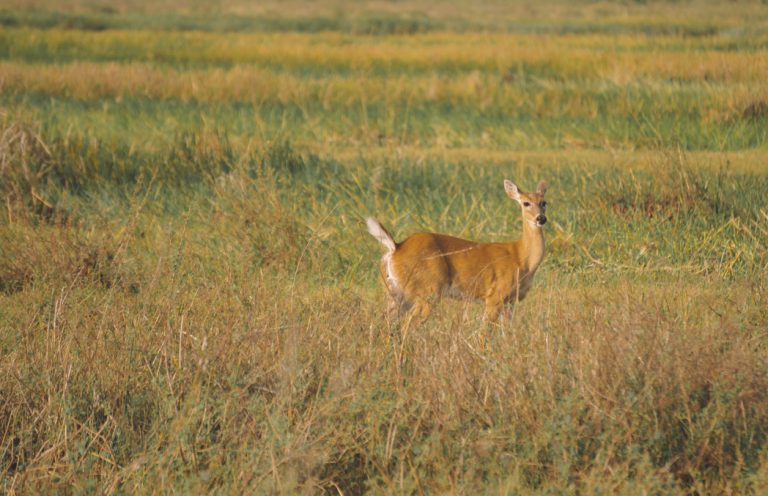
Female white-tailed deer
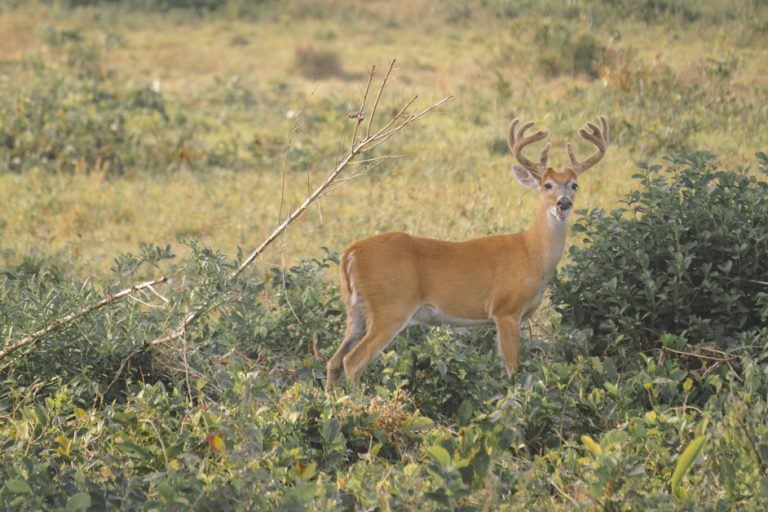
Male white-tailed deer
We did not manage to observe the long-awaited jaguar.
Although I had already been fortunate enough to see one in the wild years earlier in the Magdalena Medio region, I still felt disappointed, as though this spirit did not wish to reveal itself again. Raphael felt exactly the same. Yet both of us knew we would someday return, because nature cannot be conquered: it must be respected and patiently awaited. That is precisely the essence of responsible travel in Colombia and true ecotourism.
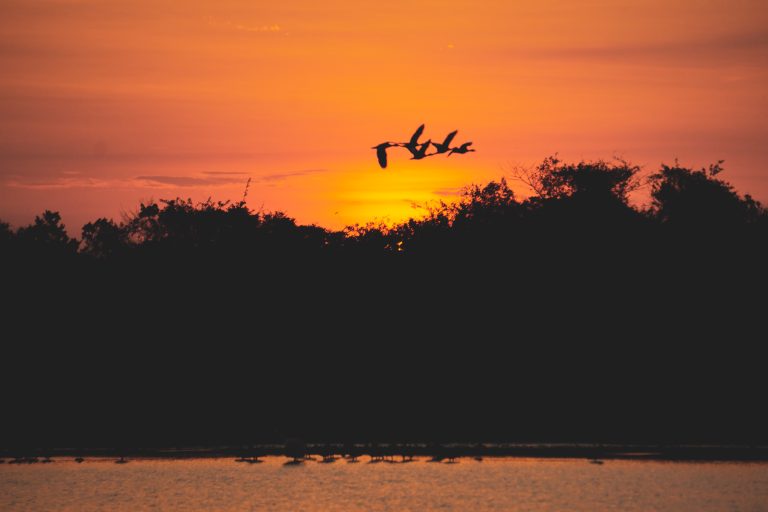
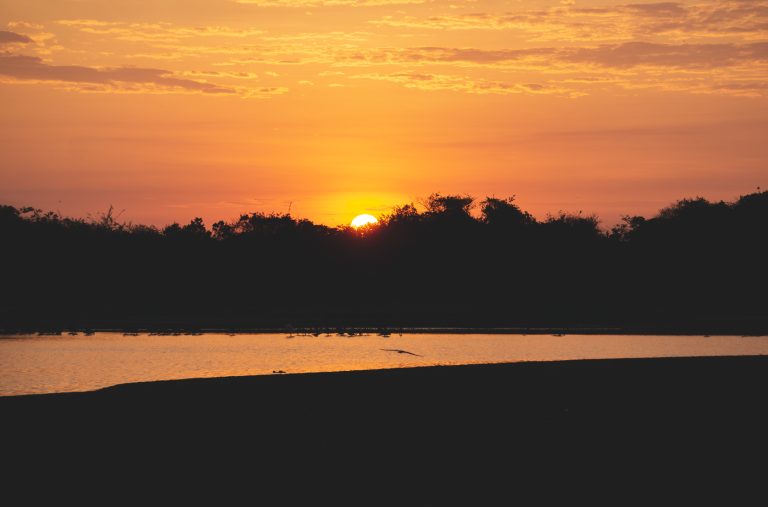
However, during the sunset of our final evening, just as our hopes were fading away, we spotted the silhouette of a large feline in the distance. It did not carry the butterfly-shaped rosettes of the jaguar, but instead a smooth, elegant, flawless coat: it was the American lion, the magnificent and even more elusive lord Puma (Puma concolor).
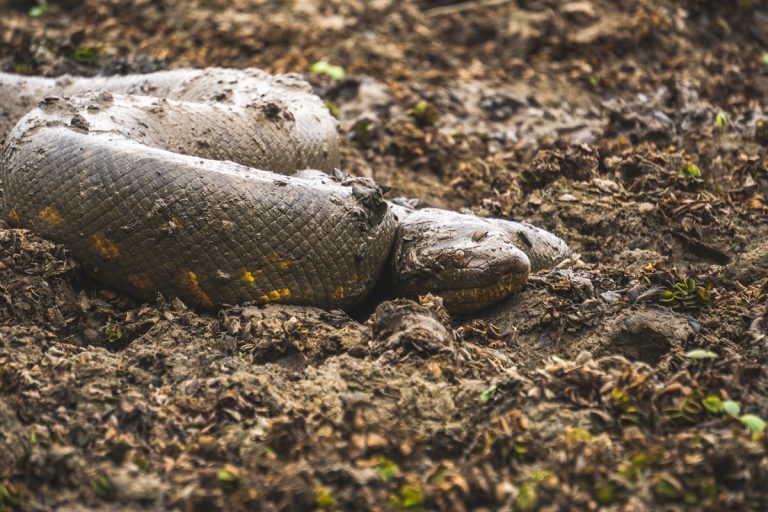
Anaconda (Eunectes murinus)
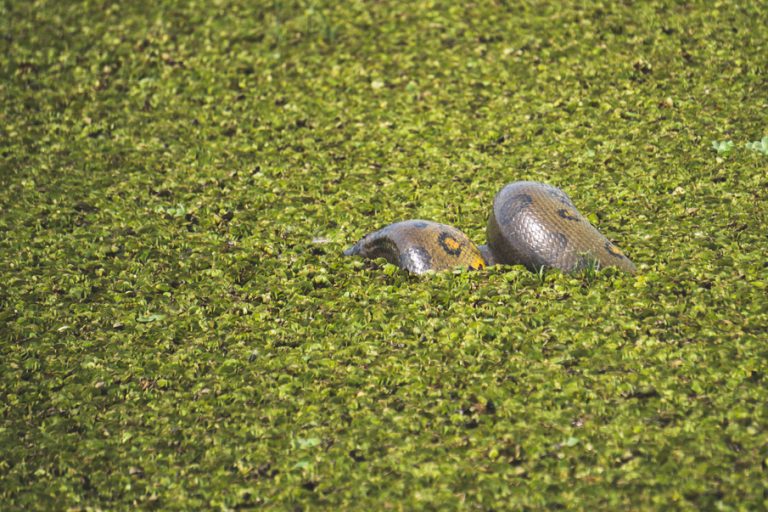
Anaconda (Eunectes murinus)
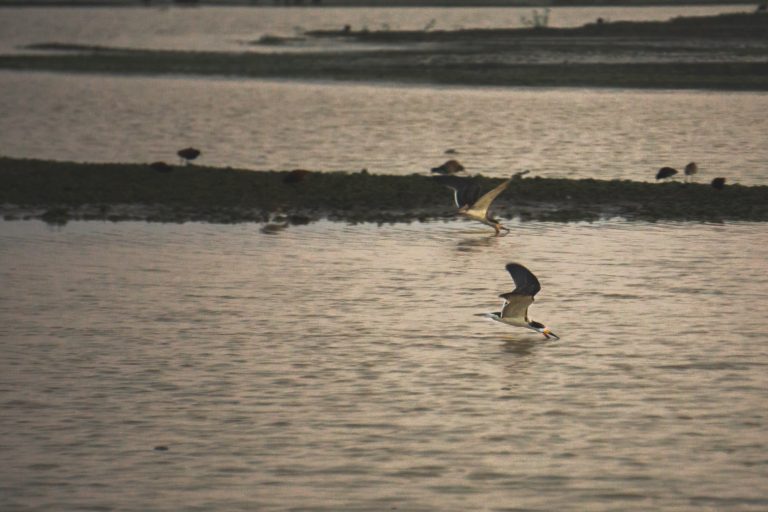
Black skimmer (Rynchops niger)
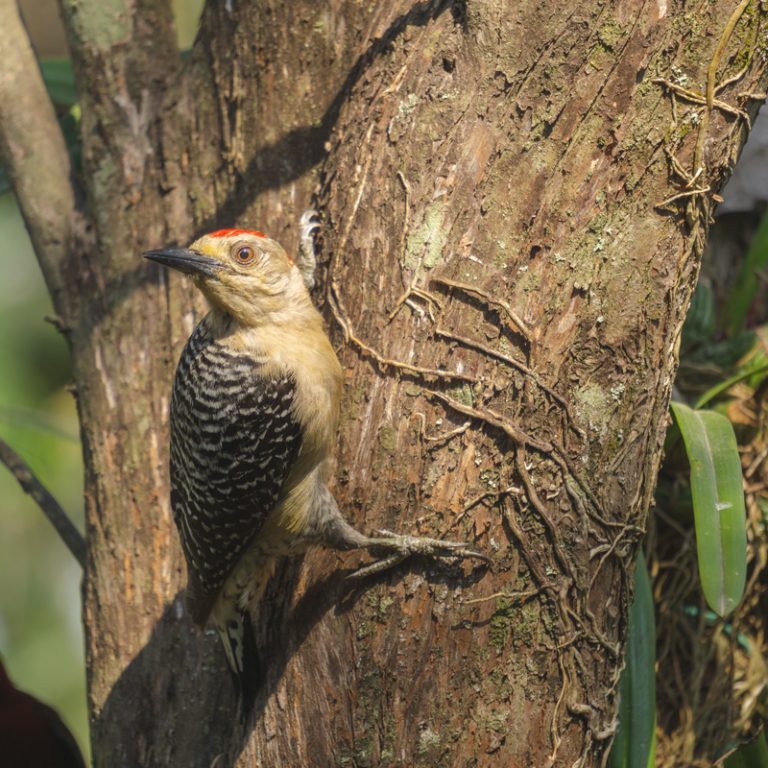
Red-crowned woodpecker (Melanerpes rubricapillus)
It was an unforgettable moment.
While the others tried to contain their excitement as they watched it through binoculars, I desperately attempted to film it with my phone and spotting scope — without a tripod, since it had broken — my hands trembling with emotion.
I only managed to capture a few seconds, but they were enough to preserve the magic of that encounter with the feline spirit.
And so, the Llanos said goodbye to us by offering one of the most extraordinary wildlife encounters of my life with a species as majestic as the puma.
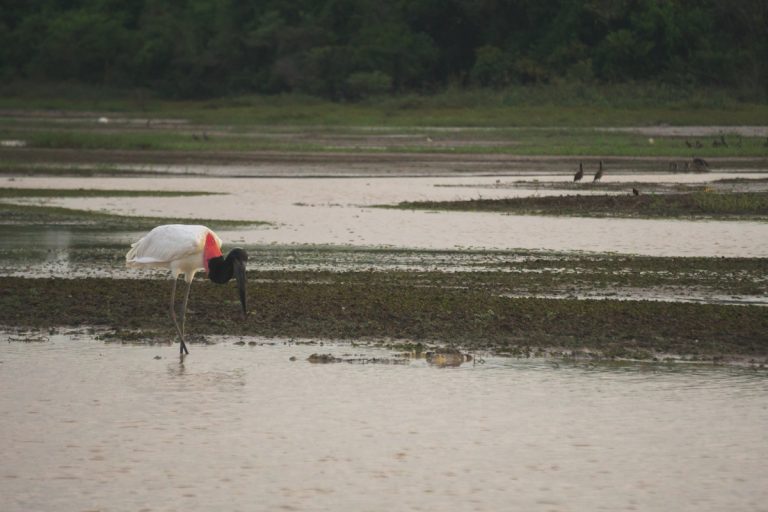
Lagoon in Hato La Aurora Nature Reserve
For Raphael, this certainly will not be the last time in Colombia. I am sure we will share many future expeditions together. And I am also convinced that while we were unsuccessfully searching for the jaguar, it was silently watching us from somewhere within the savanna.
I am certain that life will someday bring us back there again, for another encounter with the feline spirit.
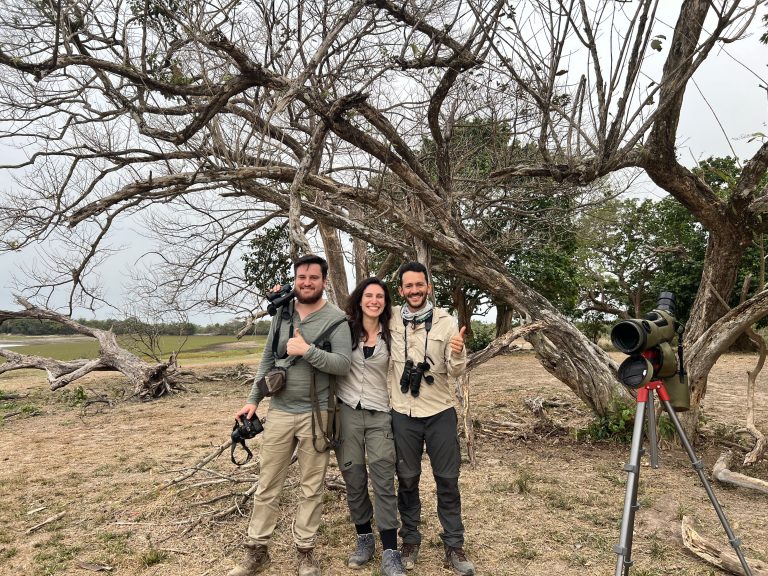
Travelers celebrating the sighting of the puma (Puma concolor)
Would you like to live this unique wildlife observation experience in Colombia?
Contact us and join our next expedition, “In Search of Wildlife”: an ecotourism and nature journey through some of the country’s wildest and most fascinating ecosystems.