The Humboldt Route: A Journey for the Soul between the Orinoco and the Mavicure Hills.
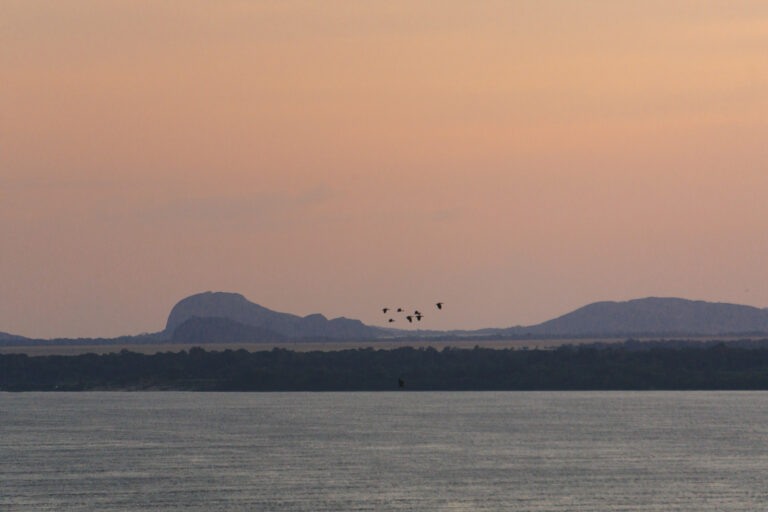
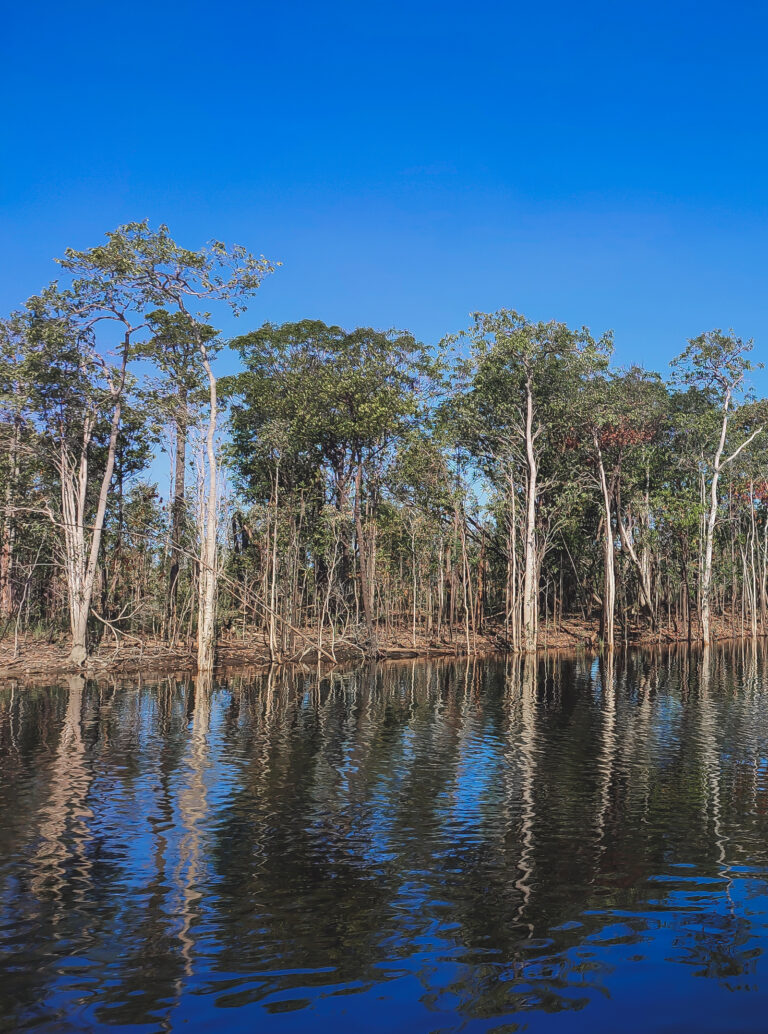
View of the Orinoco river
During the Colombian summer of 2021–2022, I had the privilege of guiding Marc, a French traveler passionate about nature, adventure, and above all, authenticity. In the post-pandemic period, Marc decided to explore Colombia for over a month with Colombie Célestine. Together, we embarked on an unforgettable journey along the Humboldt Route.
We left Bogotá at the end of December, heading to Puerto Carreño, capital of the Vichada department in the Eastern Plains, on the border with Venezuela. There, we were welcomed by our guide Alfonso, a native of Caquetá, who would accompany us throughout the adventure.
That first day, we navigated the waters of the Orinoco at its confluence with the Meta River, observing riverine life and, with a bit of luck, spotting pink dolphins. Even though I had seen them elsewhere in my country, every encounter with these magical beings is unique.
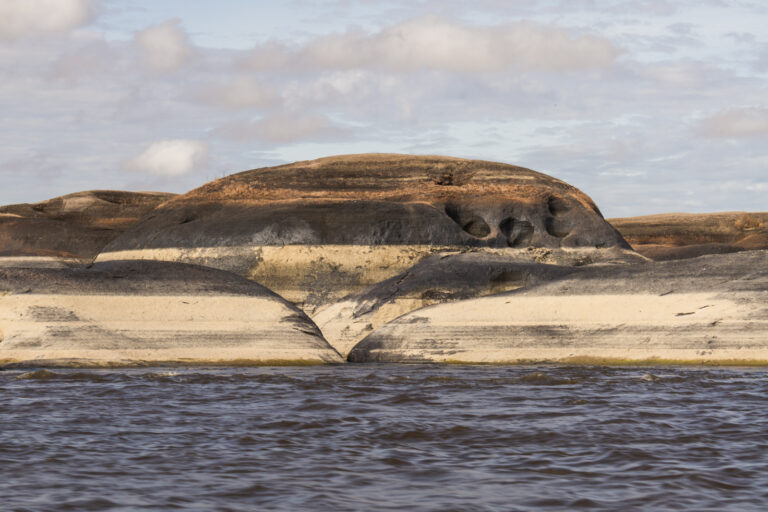
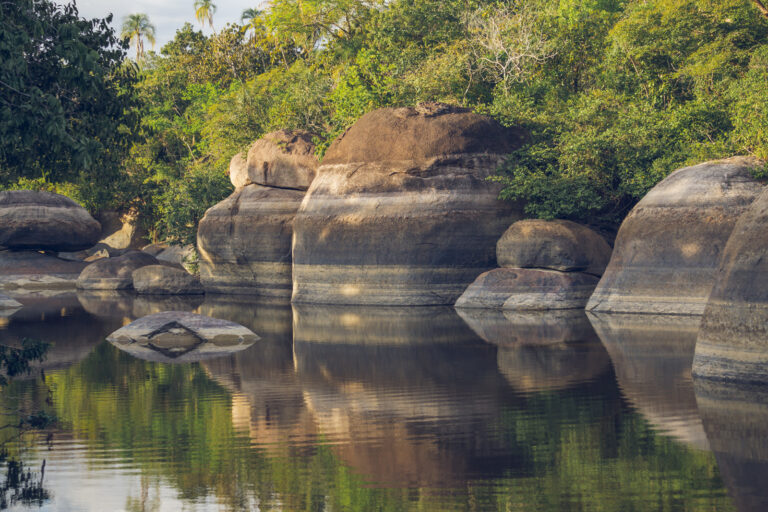
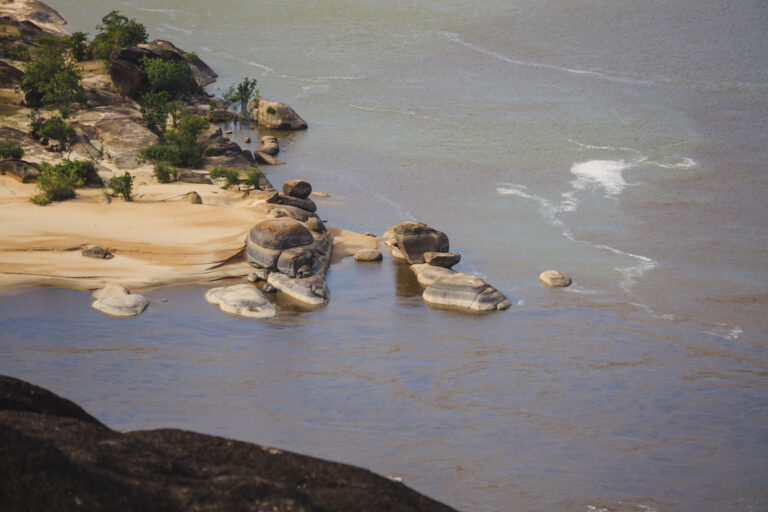
The river system impressed me from the start: a powerful, sparkling river with a vast rocky bed resting on the Guiana Shield, one of the oldest geological formations on Earth. We were sailing over rocks that are more than 2.4 billion years old!
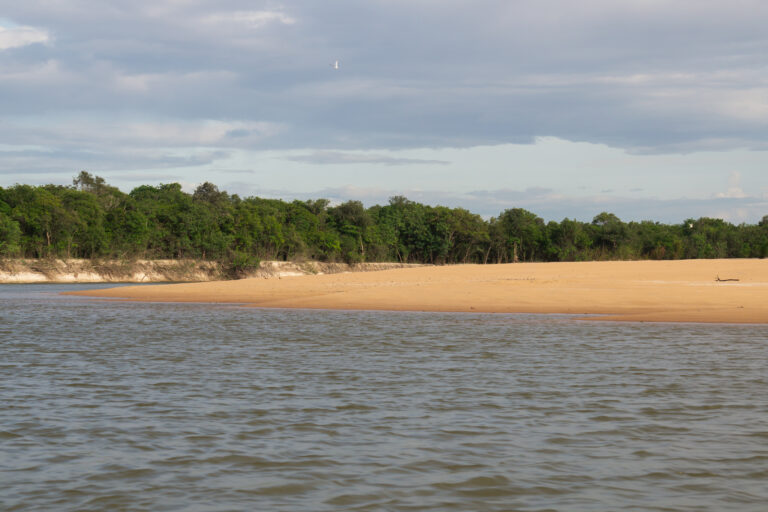
Orinoco river
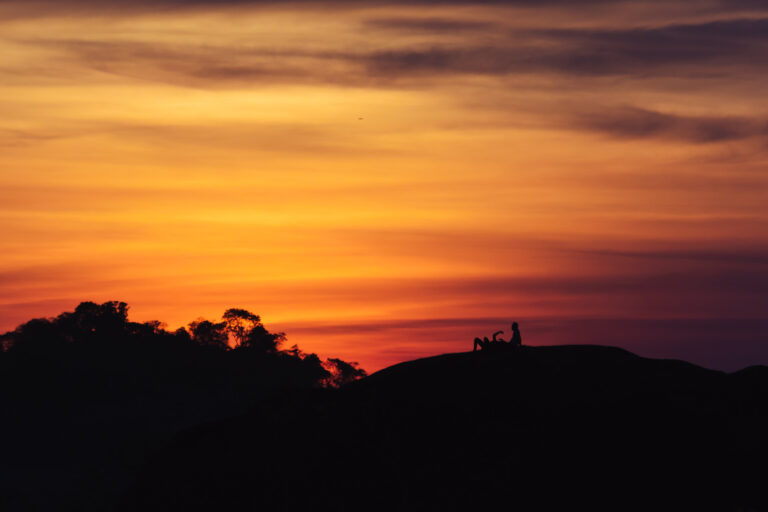
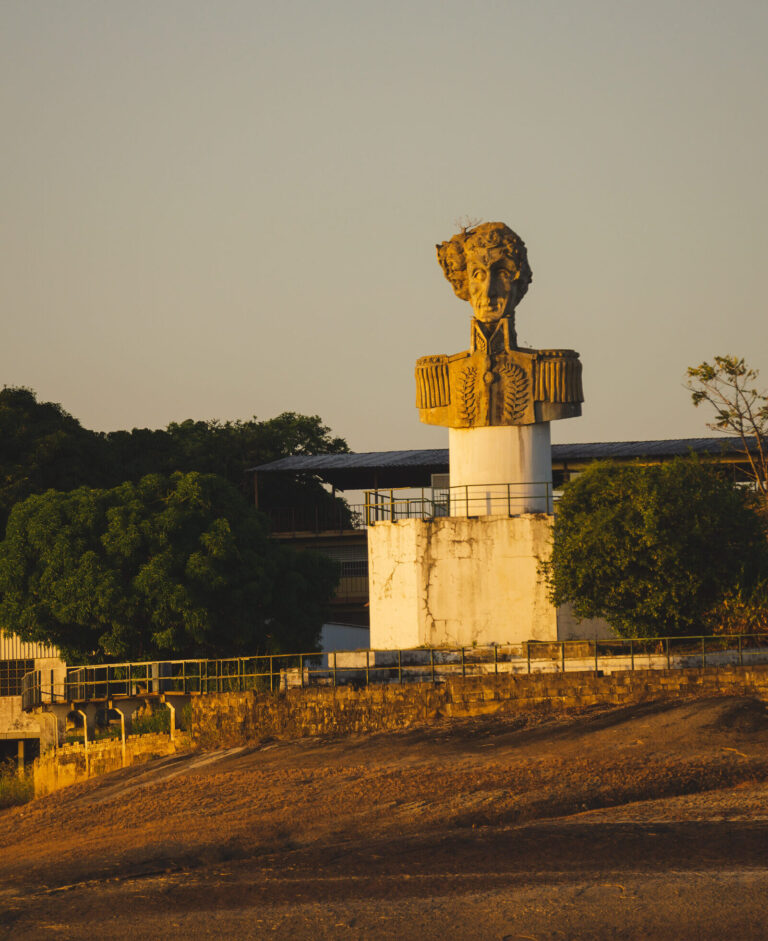
At sunset, we climbed the Cerro de la Bandera, which offers a spectacular view of the city and the river. There, we shared stories with other travelers while the sky glowed in warm hues.
Sunset in the Cerro de la Bandera
In the Footsteps of Humboldt
The next day, we began our descent along the Orinoco, recalling the explorations of German scientist Alexander von Humboldt and botanist Aimé Bonpland in the 19th century. Our destination: the Mavicure Hills, over 400 kilometers upstream.
Our first stop was the Bojonawi Nature Reserve, where we explored morichales (palm groves), rocky outcrops, and gallery forests, including El Pañuelo Lagoon with its dark waters, surrounded by flowering saladillos and lush vegetation.
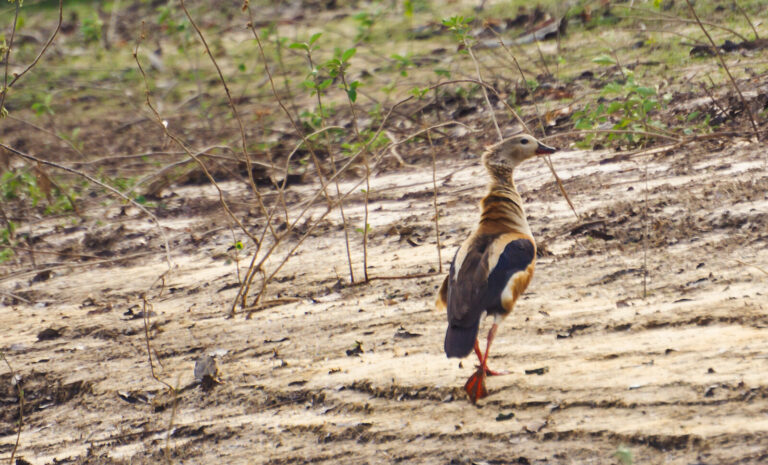
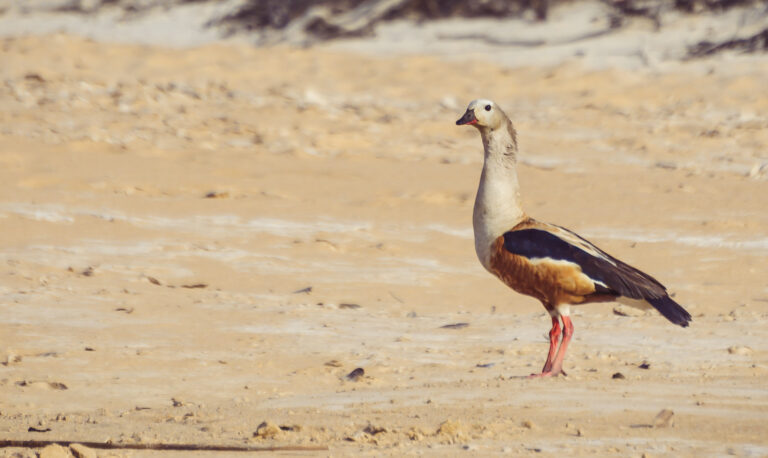
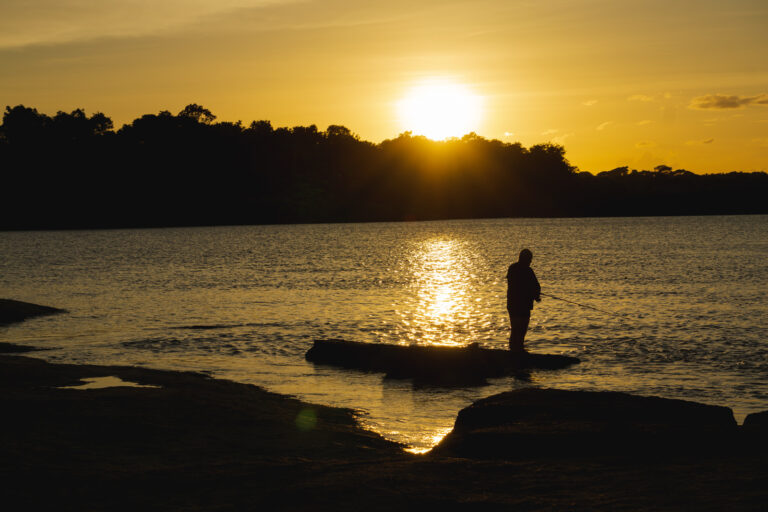
We then navigated the Bita River, considered one of the cleanest and best-preserved in Colombia, and now a Ramsar site. That’s where I saw the Orinoco goose (Oressochen jubatus) for the second time, and we bathed in its crystalline waters. On our way back, we watched a magical sunset on a rocky islet while Marc fished and I took photos.
Bita river
Orinoco goose (Oressochen jubatus)
Orinoco goose (Oressochen jubatus)
Orinoco river
El Tuparro and the Roar of the Rapids
At dawn the next day, we set off for El Tuparro National Natural Park, making a stop in the picturesque town of Casuarito, which charmed Marc with its folklore and warm people. We followed the riverbank to avoid the Atures Rapids, and after a hike, we arrived at our base camp near the mouth of the Tomo River.
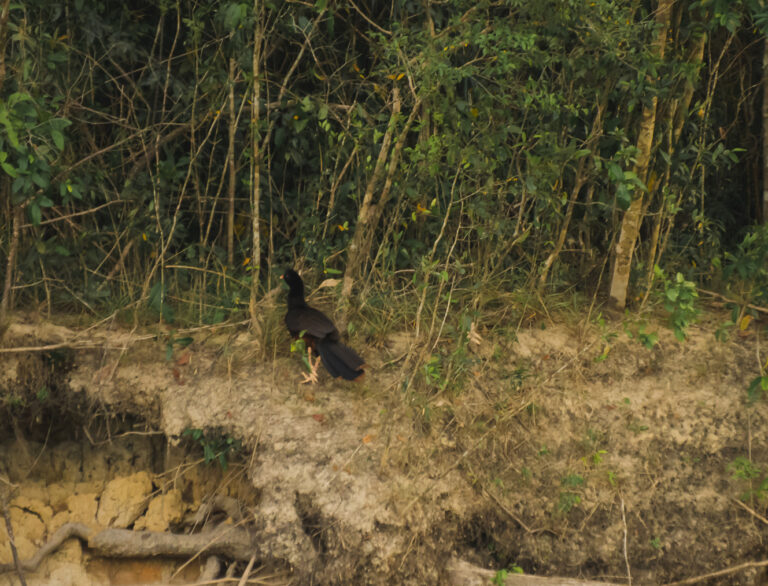
That afternoon, we explored the Attalea trail and navigated the Tomo River, where I was lucky enough to spot a Crestless Curassow (Mitu tomentosum) for the first time. The day ended with an extraordinary sunset on a rocky beach along the Orinoco.
Crestless Curassow (Mitu tomentosum)
Sunset over the Orinoco
On the fourth day, we climbed Cerro El Guahibo, which offers an astonishing view of the Maipures Rapids, once described by Humboldt as the “eighth wonder of the world.” Along the trail, we crossed forests rich in endemic plant species, with views of savanna, jungle, and braided rivers. At the top, we even found ancient rock paintings!
We also visited the old educational center La Tambora, founded by Father Javier de Nicoló. Though the site is now silent, the stories told by Alfonso brought it back to life.
View of the confluence of the El Tuparro River and the Orinoco River from the Guahibo hill
The Guahibo hill
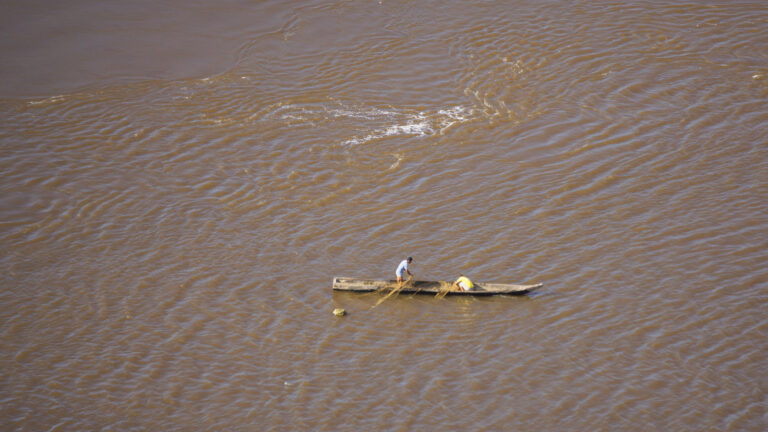
Fishermen crossing the Orinoco River
View of the La Tambora educational center
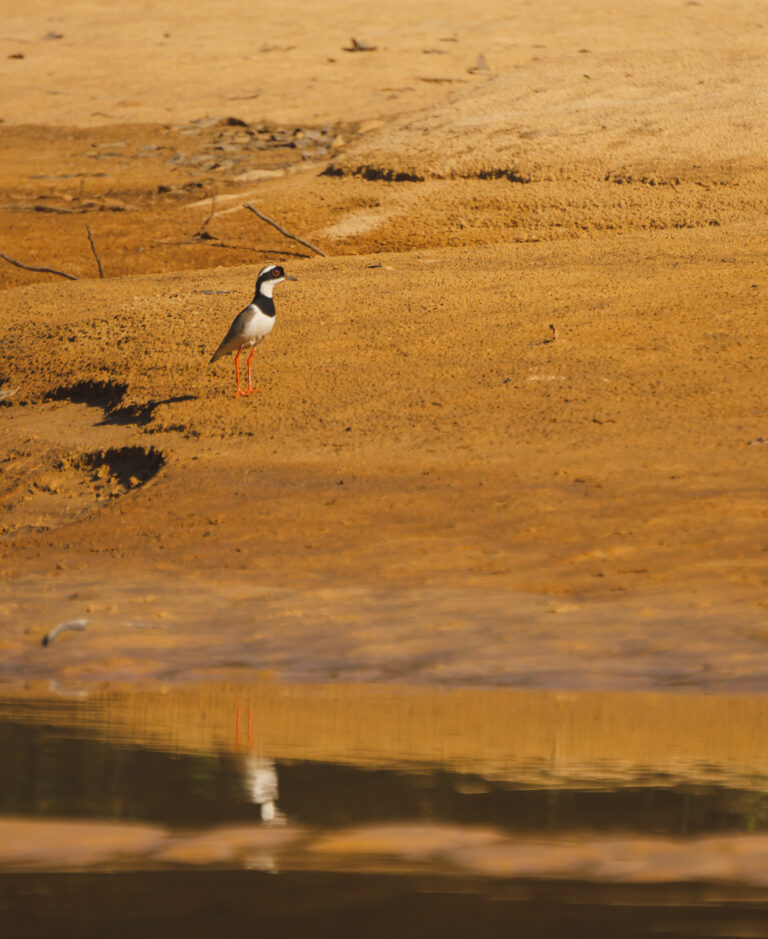
Pied Plover (Hoploxypterus cayanus)
Meeting Indigenous Communities
After paying a final tribute to Maipures and crossing the stretch of the Tuparro River known as the Cargadero, we reached the forest of Matavén, home to the Indigenous Sarrapia community. There, we were welcomed by Mr. Eligio, a Piaroa leader who shared his wisdom, agricultural calendar, and the oral traditions of his people.
That night, surrounded by stories of sacred animals, mythology, and reflections on ecotourism, we realized we were experiencing much more than a trip—it was a deeply human, ancestral, and transformative exchange.
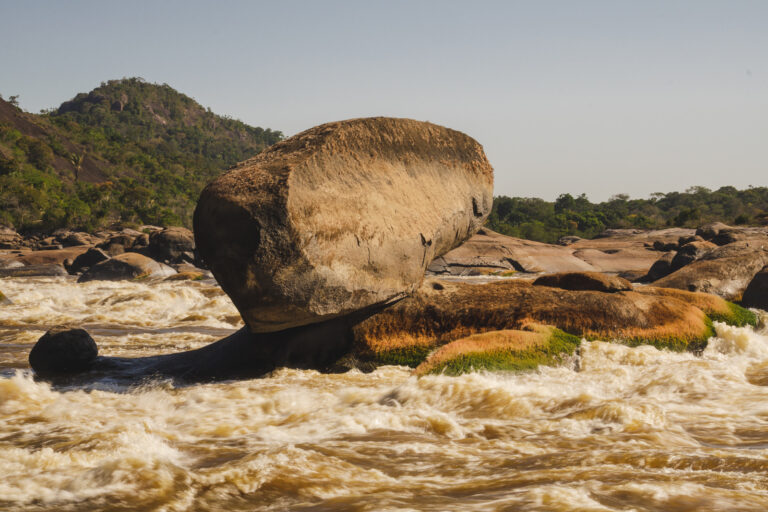
The Balancín in the Maipures rapids
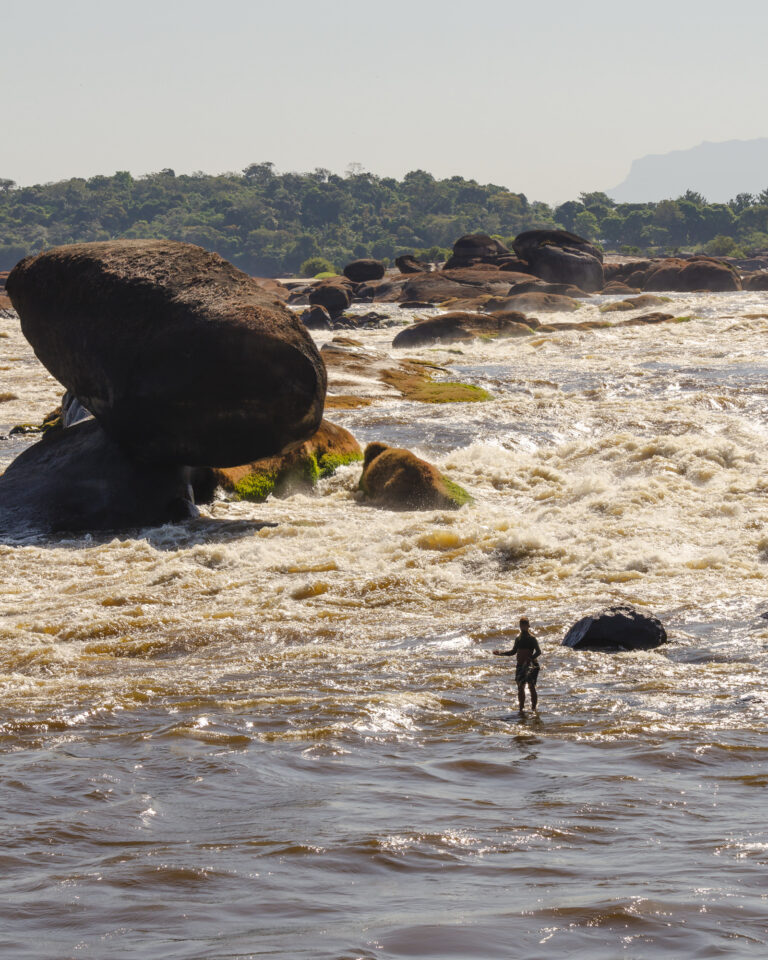
Fisherman in the Maipures rapids
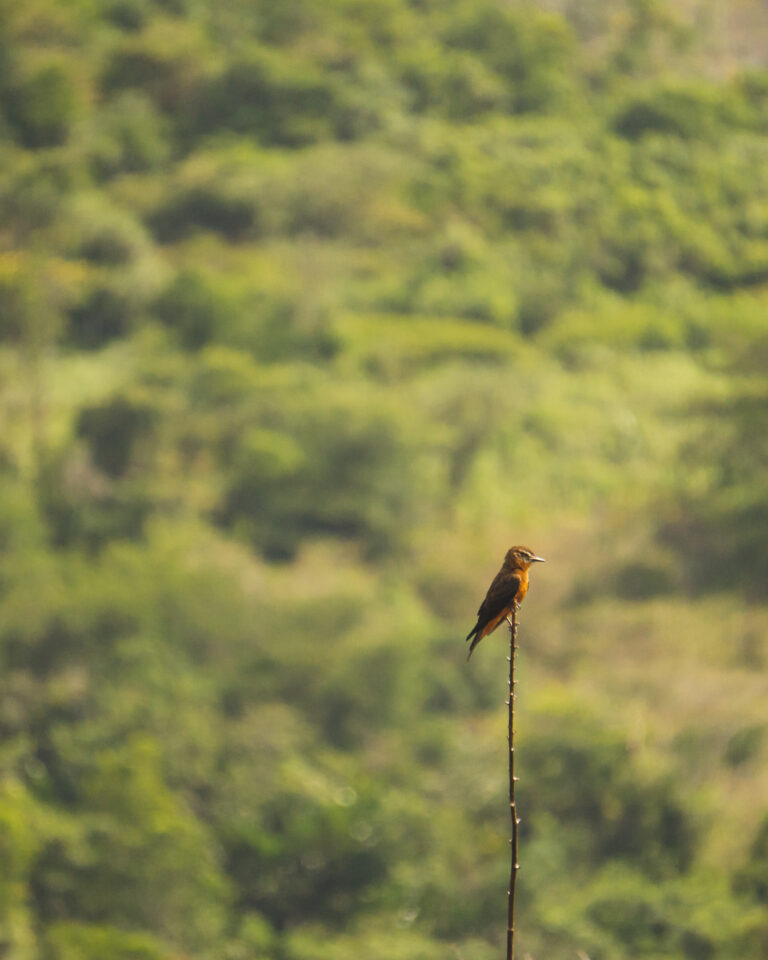
Cliff flycatcher (Hirundinea ferruginea)
Eligio, Piaroa leader of the Sarrapia indigenous community
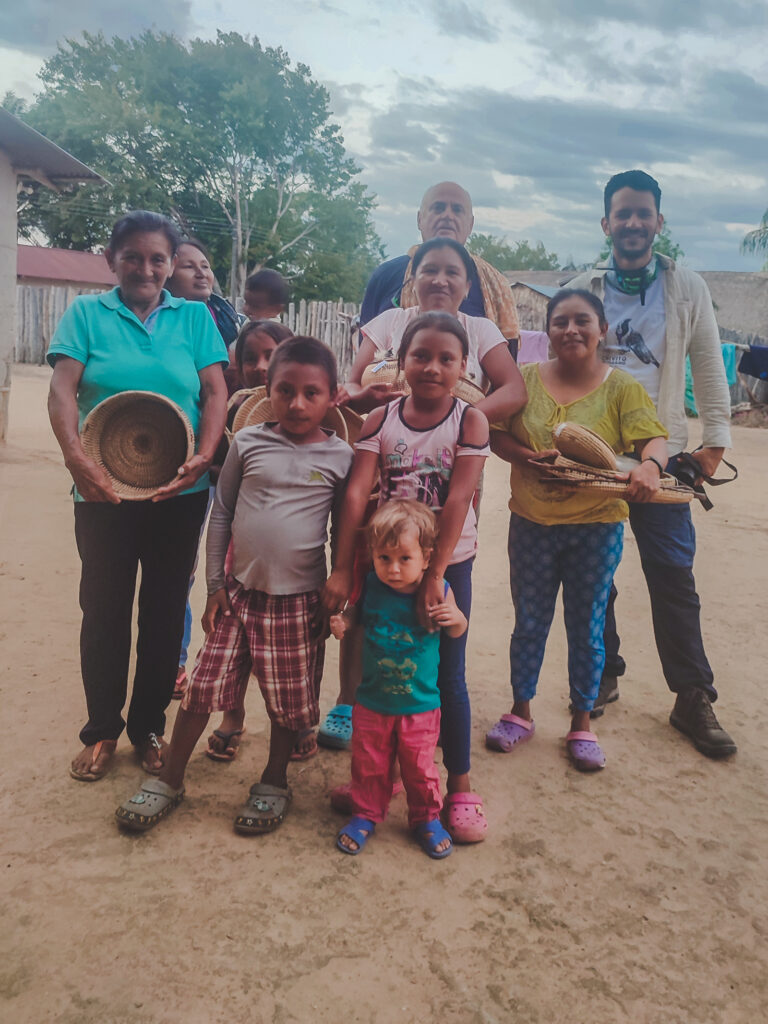
Sharing between artisans and visitors
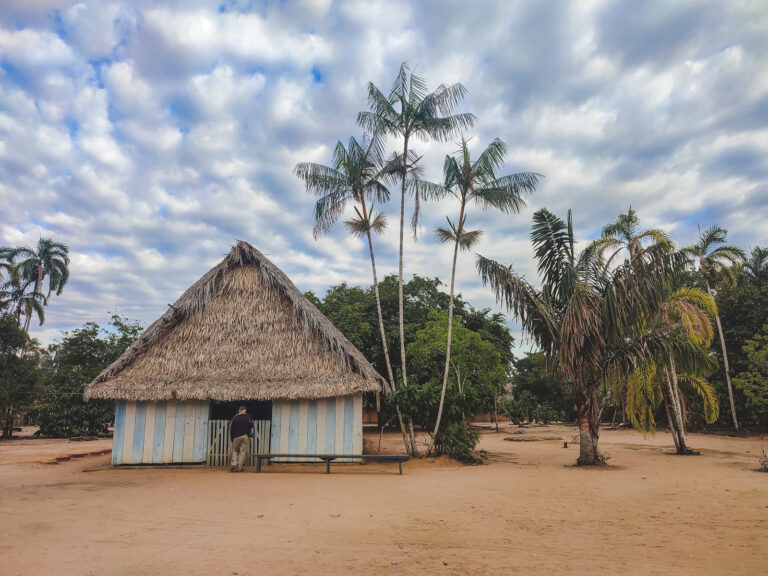
Floodplain forest where the Sarrapia community lives
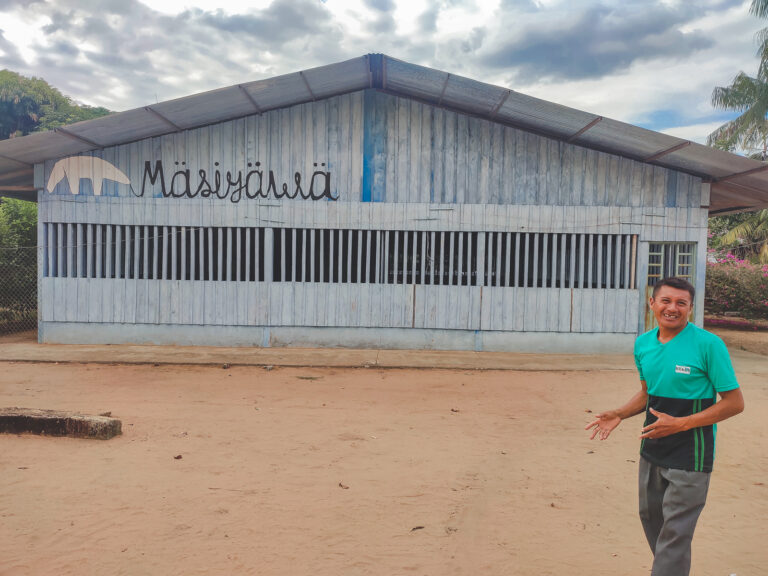
Sarrapia Community House
Towards the Inírida Fluvial Star
The next day, we headed toward Puerto Inírida, passing through the transition zone between savanna and Amazon rainforest. We visited the Castillito rock, a shrine to the Virgin of Coromoto, and shortly after arrived at the majestic Inírida Fluvial Star, where the Orinoco, Guaviare, and Atabapo rivers converge. There, we swam in the tannin-rich waters of the Atabapo and said farewell to the great Orinoco.
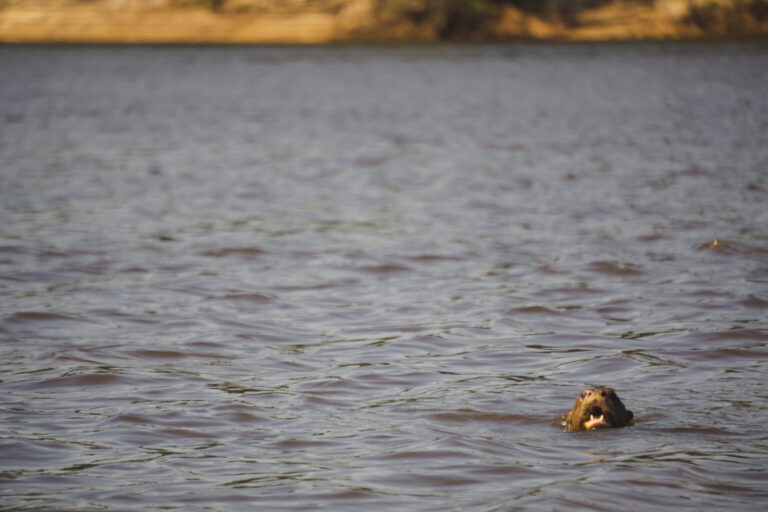
On the way to Puerto Inírida, we caught a glimpse of a family of otters—an incredible scene! I had expected a quiet town, but I was surprised by the fast-paced rhythm of Puerto Inírida, marked by the exploitation of gold and coltan.
Giant otter (Pteronura brasiliensis)
Spiritual Culmination at Mavicure
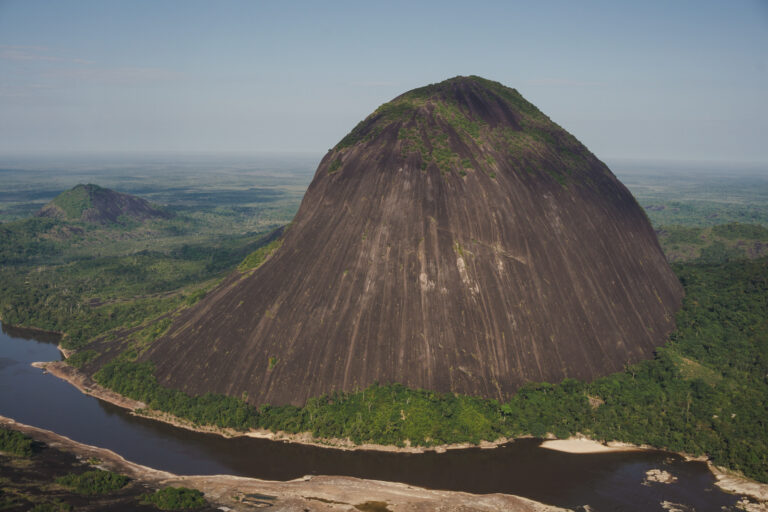
Our journey culminated at the Mavicure Hills, icons of eastern Colombia and a source of inspiration for the film Embrace of the Serpent. We joined the Indigenous community of El Remanso, who manage lodging and guided tours. We walked through the savanna to observe the endemic Inírida flower, and I took the chance to spot rare bird species that can’t be found elsewhere in the country.
When you’re there, at the foot of these immense hills, you feel the energy of the place—its grandeur, its spirituality. It’s a place that captivates you and invites you to dream at night.
That evening, we listened to local legends, but also sensed a cultural disconnect caused by centuries of evangelization. Not all the stories aligned, leaving a bittersweet impression. However, the next day, our climb up Cerro Mavicure was a reconciliation with the sacred.
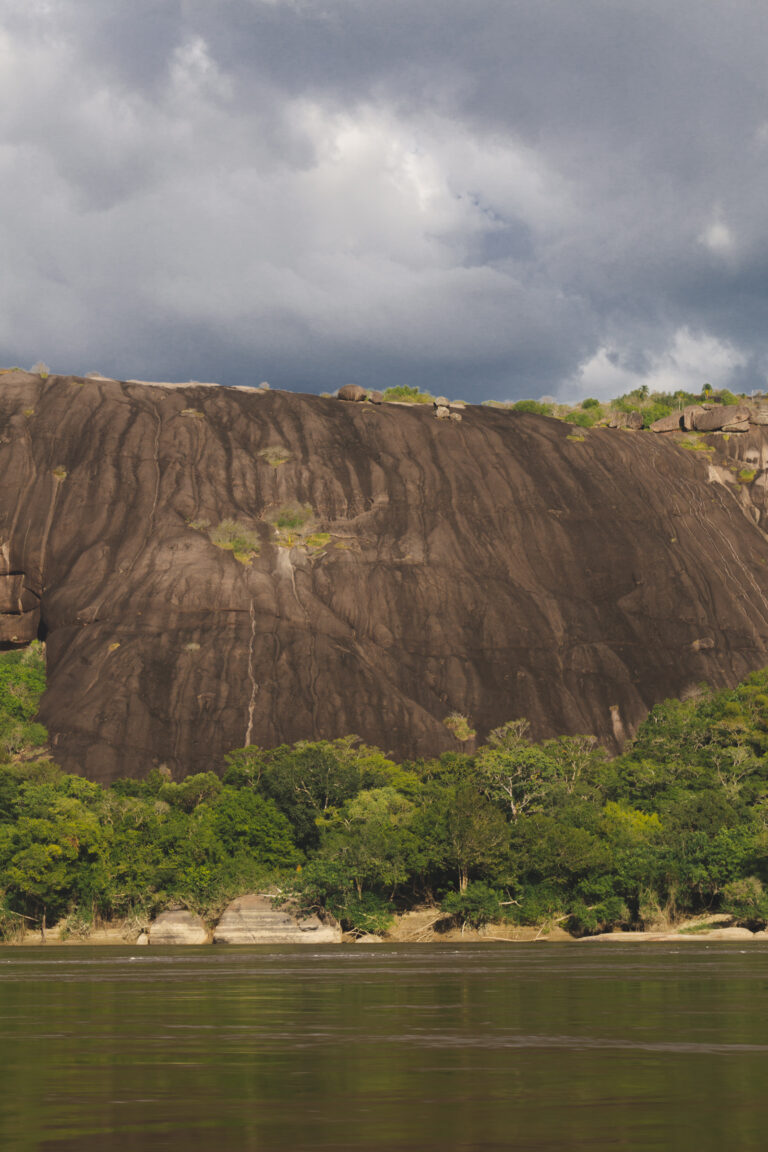
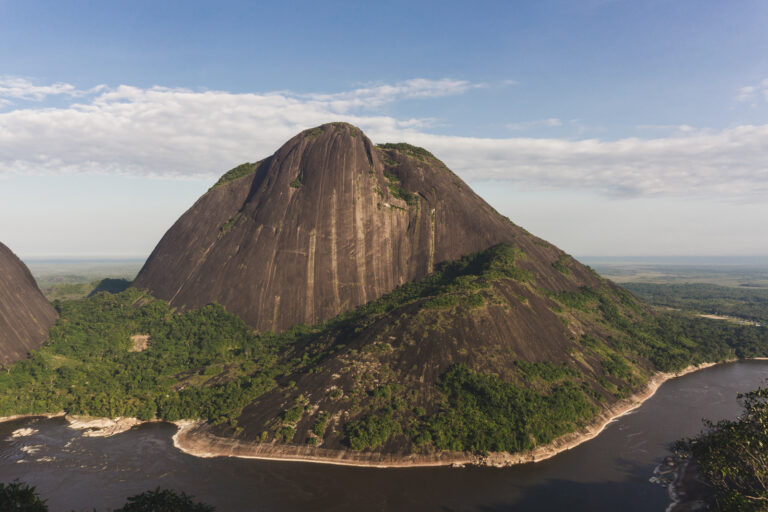
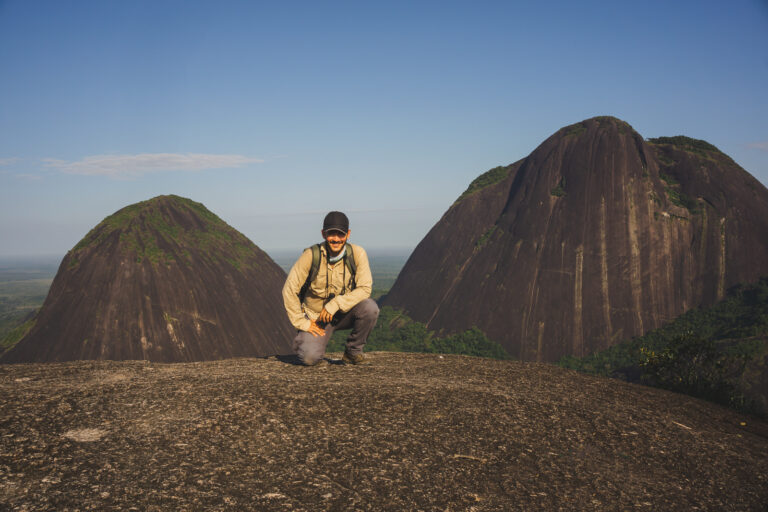
As the sun rose and we ascended its steep slope, we gazed from the 170-meter summit at Cerro Mono (480 m) and Cerro Pájaro (712 m), surrounded by jungle, savanna, and the Inírida River. A landscape that will undoubtedly stay with me forever.
In the afternoon, we crossed the hills by boat to Caño San Joaquín, where we enjoyed a final swim in the tannin waters and white sand beaches, with a sublime view of the hills.
The Cerro Mono
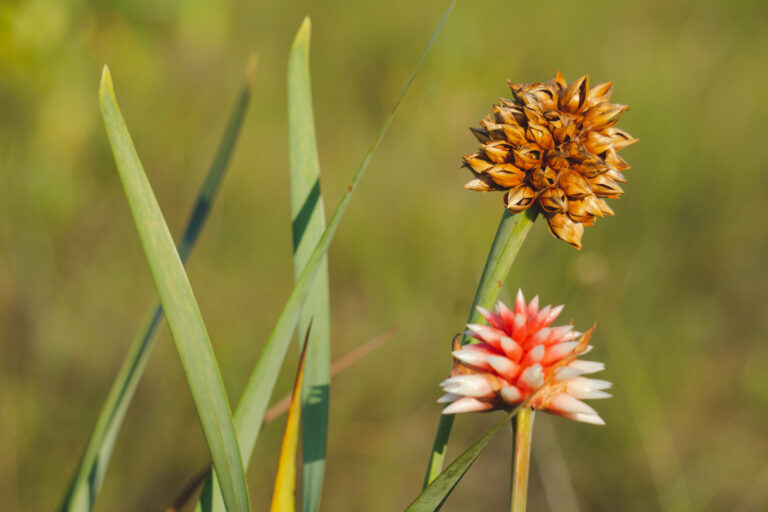
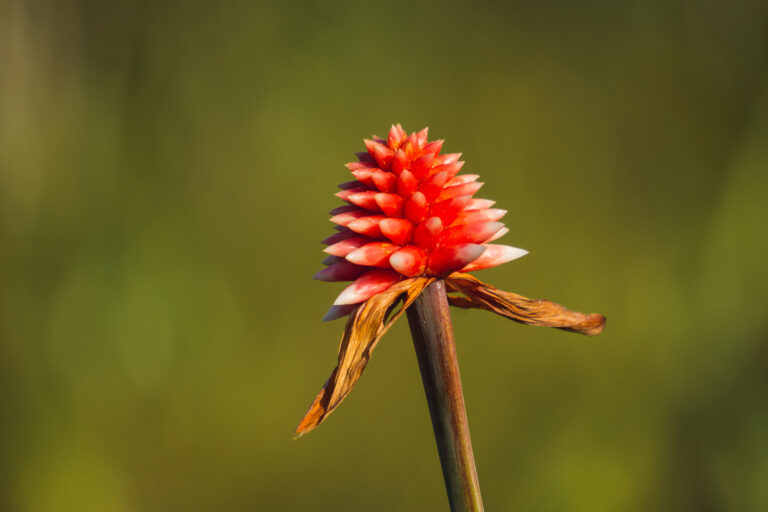
Flower of the Inírida - Liwi, eternal flower
Flower of the Inírida - Liwi, eternal flower
The Cerro Pájaro
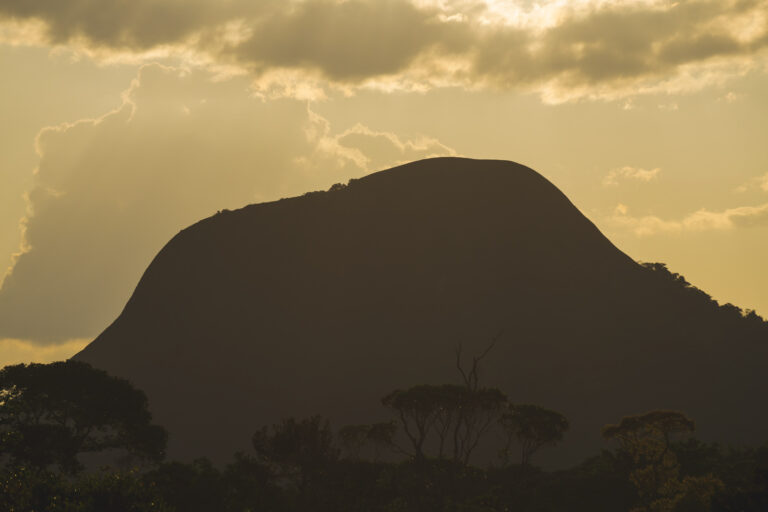
The Cerro Pájaro against the light
The Return
Back in Puerto Inírida, we had dinner, packed our bags, and rested. The next morning, we flew back to Bogotá.
Marc continued his 36-day Colombian adventure with Célestine, while I tried to digest the vastness of the landscapes and emotions we had experienced. This trip was, without a doubt, a gift for the soul.
Juan in the Mavicure Hills
Would you like to live this unique experience?
Contact-us to find out when you can join our next expedition along the Humboldt Route—one of the most authentic, transformative, and fascinating journeys in Colombia.
 In the footsteps of Humboldt